Lium
is an AI platform that makes complex, real-world data work accessible to anyone.

- Category
- Data Analysis
- Pricing
- Freemium
- Alternatives
- 6 similar tools
- Last updated
- 2 days ago
- Source
- Official site ↗
AI Collection Top Picks
Data Analysis Category Picks
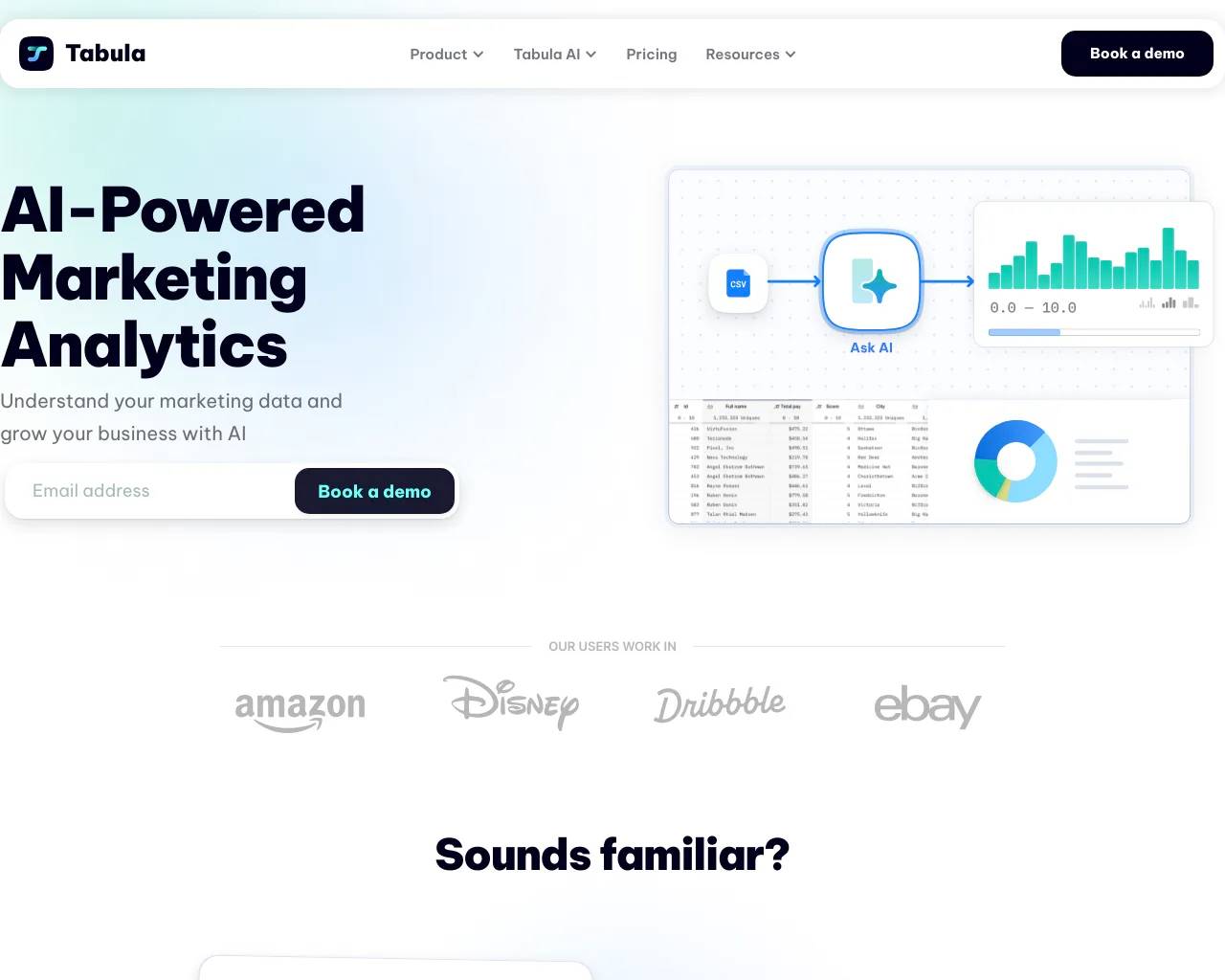
GPT-powered marketing data analytics. Build multi-touch attribution to see how different marketing channels work together to convert leads into customers
About Lium
Lium is built for data generic AI can't touch - seismic surveys, sensor streams, geospatial imagery, engineering models, and the rest of the messy, large-scale datasets that power work in energy, infrastructure, climate, and science. Describe what you need to know. Lium connects your sources, runs the analysis, and gives your whole team something they can inspect, validate, and build on together.
Lium's Pricing Plans
Lium may change prices at any time. Here's our latest information:
Lium Pricing Plans
Free
core platform access
$0
monthly
- Core platform access
- Limited data connections
- Standard queries
- 10 free messages
- no expanded data integrations
- no advanced querying across layers
- no collaboration and shared workspaces
- no priority support
Pro
for teams
$30
monthly
- All from Free
- Expanded data integrations
- Advanced querying across layers
- Collaboration and shared workspaces
- Priority support
- Includes a pool of credits to run real queries
Frequently asked questions
What is Lium used for?
Lium is an AI platform that makes complex, real-world data work accessible to anyone.Is Lium free?
Lium has a free tier; paid plans unlock additional features.What are alternatives to Lium?
Top alternatives to Lium include LLM-Powered Invoice & Receipt Extractor (OSS), Tabula, AutoPredict, Genius Sheets, NewsDeck from OneSub.Where can I get Lium?
Lium is available at https://lium.ai/.What category is Lium in?
Lium is listed in Data Analysis.What is Lium?
Lium is an agentic AI workspace — a conversational harness built for real-world data work. It's the AI software for teams whose hardest questions live in proprietary data (databases, files, APIs, documents, instrument outputs) and who need answers that are reliable, repeatable, and shared across the whole team.How is Lium different from ChatGPT or Claude?
ChatGPT and Claude are general-purpose chat assistants. They can't reach into your databases, can't run analysis on your internal documents at scale, and forget every result when the chat ends. Lium is an agentic harness, not a chatbot: it connects directly to the data you can't paste into a chat tool, performs real analysis with code and tool use, and saves every output as a reusable artifact your team can share, run again, and build on.What kind of data can Lium work with?
Anything your team already has — relational databases, data lakes, data warehouses, PDFs and unstructured documents, APIs, instrument outputs, knowledge bases, and bespoke file formats. Lium is purpose-built for proprietary, complex, multi-format data that generic AI tools can't reach.Is my data secure with Lium?
Your data stays yours. Lium connects to your sources without copying them out, never trains on your content, and supports enterprise deployment options including private VPC and SSO for teams that need stricter controls. The whole platform is built around proprietary data security from day one.What industries and domains does Lium work in?
Anywhere domain experts need AI on their specific work — financial modeling and portfolio analysis, legal research and contract review, clinical trials and healthcare data, geospatial and GIS, seismic interpretation and energy, infrastructure and engineering, scientific research, marketing analytics, and more. Anywhere the data is too complex, too sensitive, or too proprietary for off-the-shelf AI.Do I need to be technical to use Lium?
No. The platform is designed so anyone on the team can ask in plain English and get real analysis back. Lium handles the heavy lifting — connecting data, writing code, calling tools, provisioning compute — so analysts, scientists, engineers, and decision-makers can all ask broader, more dynamic questions of the same shared workspace.How does Lium work for teams?
Lium is a shared, collaborative workspace, not an individual chat tool. Every analysis, script, tool, dataset, and chart your team produces lives in the workspace and can be reused, shared, or built on by anyone else. Your team's data work compounds over time, and the institutional knowledge doesn't walk out the door when someone leaves.Can Lium handle large datasets and complex file formats?
Yes. Lium provisions compute on demand — whatever a question needs, it spins up automatically, runs the job, and tears down. Teams use Lium for terabyte-scale analysis, parallel processing, bespoke file formats, and data sources behind authenticated endpoints — no DevOps team or pipeline plumbing required.
Compare Lium with…
Pick any tool to see a structured side-by-side: pricing, deployment, capabilities, and content policy.