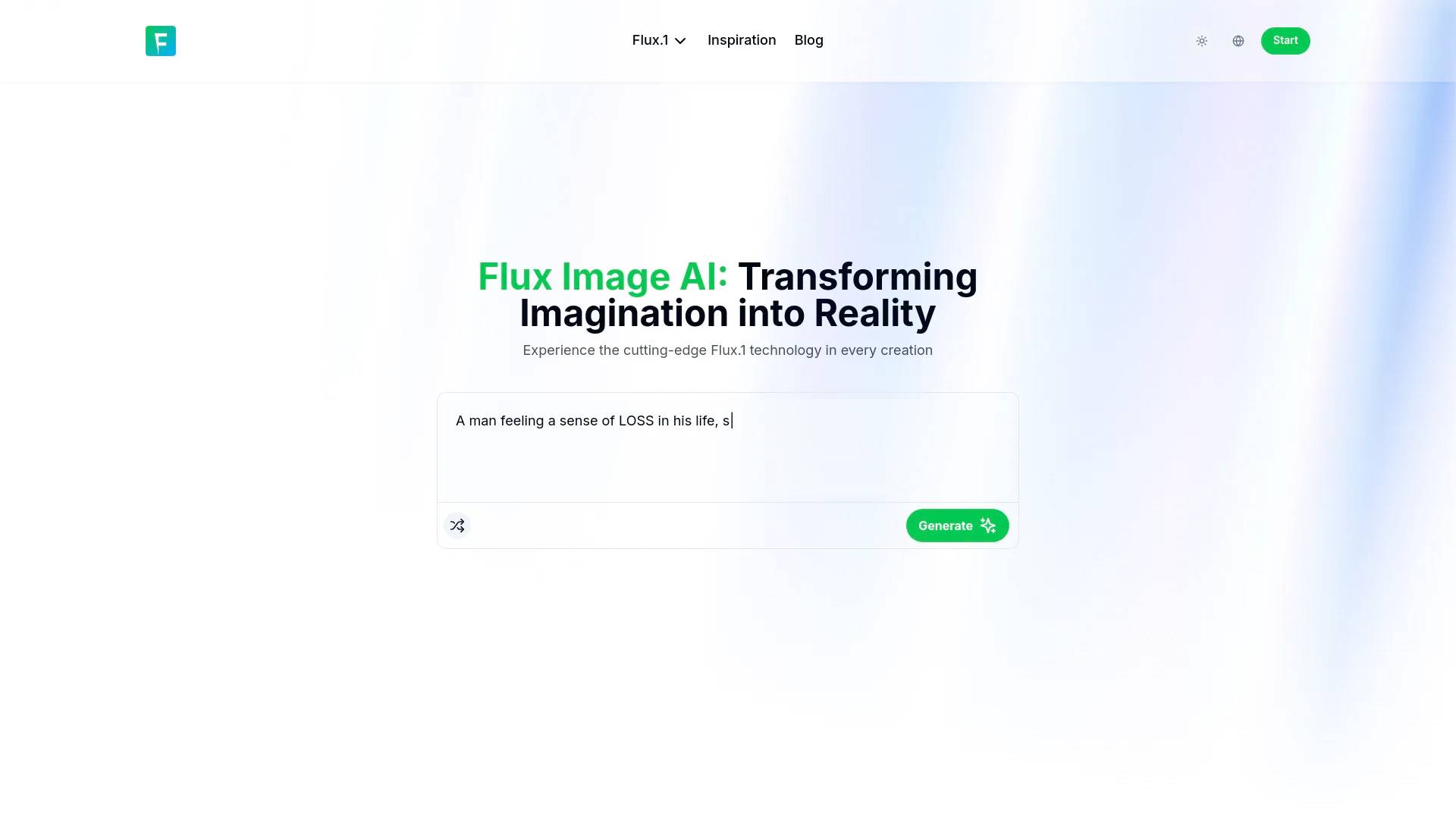
Flux Image AI
Free Next-Gen AI Art Generator, flux.1.
- Category
- AI Art & Illustration
- Pricing
- Free
- Alternatives
- 6 similar tools
- Last updated
- 3 weeks ago
- Source
- Official site ↗︎
AI Collection Top Picks

AI Art & Illustration Category Picks
APOB AI
Supercharge your image and video content creation with unmatched consistency, speed, and quality.
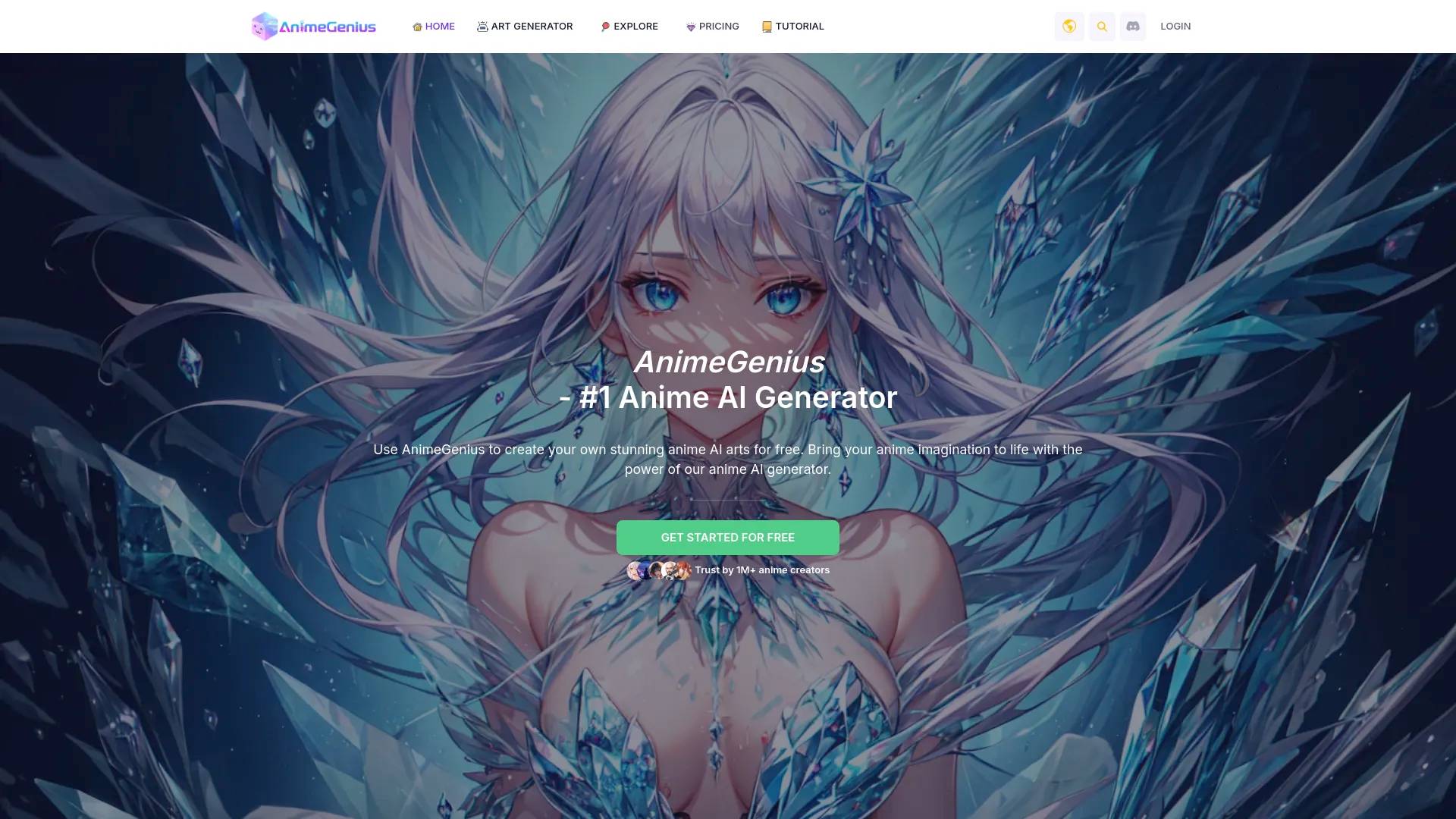

About Flux Image AI
Create stunning AI art for free with Flux Image AI. Powered by flux.1, offering unmatched speed and precision. Rival Stable Diffusion and Midjourney at no cost.
Frequently asked questions
What is Flux Image AI used for?
Flux Image AI | Free Next-Gen AI Art Generator, flux.1.Is Flux Image AI free?
Flux Image AI is free to use.What are alternatives to Flux Image AI?
Where can I get Flux Image AI?
Flux Image AI is available at https://www.fluximageai.com/.What category is Flux Image AI in?
Flux Image AI is listed in AI Art & Illustration.Who developed Flux Image AI?
Flux Image AI was developed by Black Forest Labs, a team of AI researchers and engineers with a proven track record in generative AI. The creators of the Flux.1 model have backgrounds in Stability AI, which developed projects like Stable Diffusion XL. Backed by major investors like Andreessen Horowitz, this team combines experience from academic, industrial, and open-source environments.How does Flux Image AI compare to Midjourney?
Both Flux Image AI (powered by Flux.1) and Midjourney v6.1 are top-tier AI image generation systems, but Flux Image AI offers superior prompt adherence and faster processing speeds. It provides more flexibility in terms of style and resolution while also having open-source options, making it more accessible to developers and researchers. The choice between the two depends on specific user needs.How does Flux Image AI compare to Stable Diffusion?
Flux Image AI is a significant advancement over Stable Diffusion v3, offering improved image quality, quicker generation times, and better alignment with text prompts. Its advanced architecture, based on flow matching, enables more precise control over the image creation process. Additionally, Flux Image AI supports a broader range of aspect ratios and resolutions, making it more versatile for various applications.Where can I use Flux Image AI?
You can use Flux Image AI for free at [www.fluximageai.com](http://www.fluximageai.com), with paid options available through platforms like Replicate and fal.ai. This multi-platform availability allows users to choose based on their specific needs, such as free access, advanced features, or development environments.Who owns the copyright for Flux Image AI-generated images?
The copyright for images generated by Flux Image AI belongs to the user who created them. Users have full rights to use the images for any purpose, including commercial applications. This policy applies to all images created using the Flux.1 model, offering flexibility for both creative and business uses.What versions of Flux Image AI are available?
Flux Image AI comes in three versions powered by the Flux.1 model: - **[pro]**: The most advanced version, available via API. - **[dev]**: An open-weight model for non-commercial use. - **[schnell]**: The fastest version, optimized for local development and personal use. These versions cater to different user needs, offering various balances between speed, quality, and accessibility.Can Flux Image AI generate videos?
While Flux Image AI currently focuses on image generation, Black Forest Labs has announced plans to develop text-to-video capabilities using the Flux.1 technology. This upcoming feature is expected to deliver high-definition video generation and editing at exceptional speeds, but as of now, it remains focused on static images.What makes Flux Image AI unique?
Flux Image AI's standout feature is its flow matching architecture, enabling precise control over the generation process. It excels in prompt adherence, meaning the generated images closely match the input text, offering users a highly accurate and detailed output. It also supports a wide range of aspect ratios and resolutions, providing flexibility for various applications. Furthermore, its open-source versions foster innovation and accessibility, making it a valuable tool for developers and researchers in the AI space.Who owns the copyright for Flux Image AI generated images?
The copyright for images generated by Flux Image AI belongs to the user who created them, allowing for maximum flexibility for any use, including commercial use.
Compare Flux Image AI with…
Pick any tool to see a structured side-by-side: pricing, deployment, capabilities, and content policy.