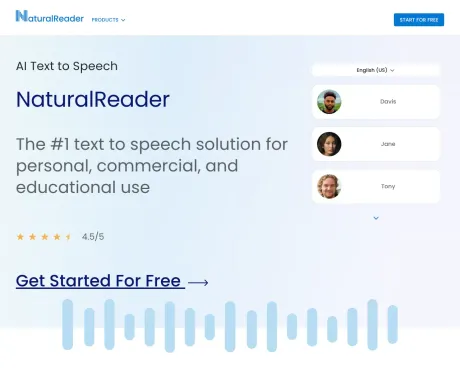
AISEO vs Junia AI: write the content, or fix the site?
By: AI Collection
At a glance


AISEO and Junia AI sell the same promise — rank on Google and get cited by AI assistants like ChatGPT — but they chase it from opposite ends. Junia AI writes and publishes the articles for you. AISEO audits the site you already have and tracks where AI answers mention you (and where they mention a competitor instead). The right pick depends on which of those gaps is actually slowing you down.
What each tool is built to do
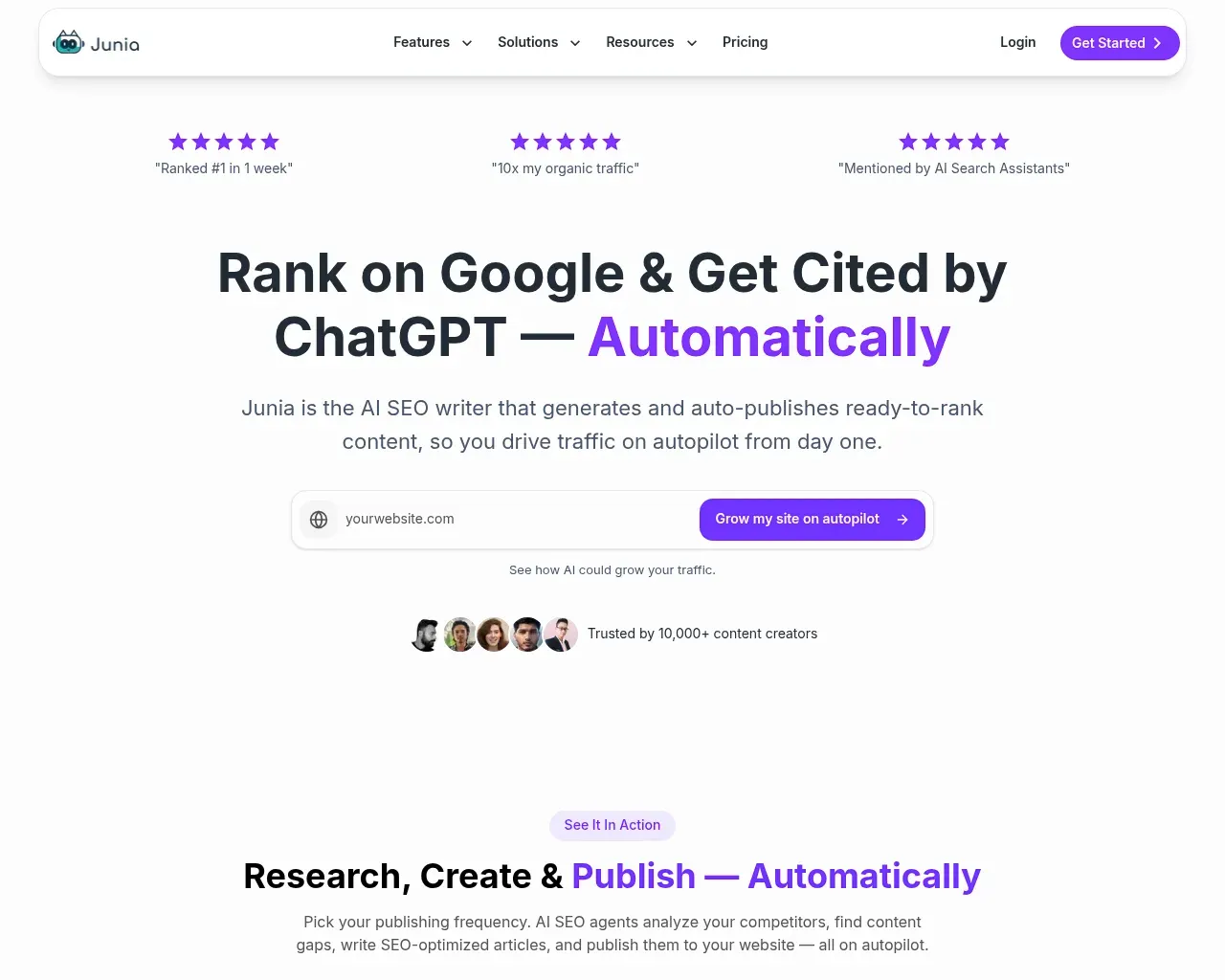
Junia AI is an AI SEO writer with an autoblog at its center. You pick a publishing frequency, point it at your site, and its agents research competitors, find content gaps, write full articles with headings, images, internal links, meta tags and schema markup, then publish them straight to your CMS (WordPress included) on a schedule. Around that core it adds a YouTube-to-blog converter, a bulk generator, a programmatic SEO tool, brand-voice training, an article translator, and an AI visibility tracker. The pitch is hands-off volume: content that keeps shipping without you writing it.
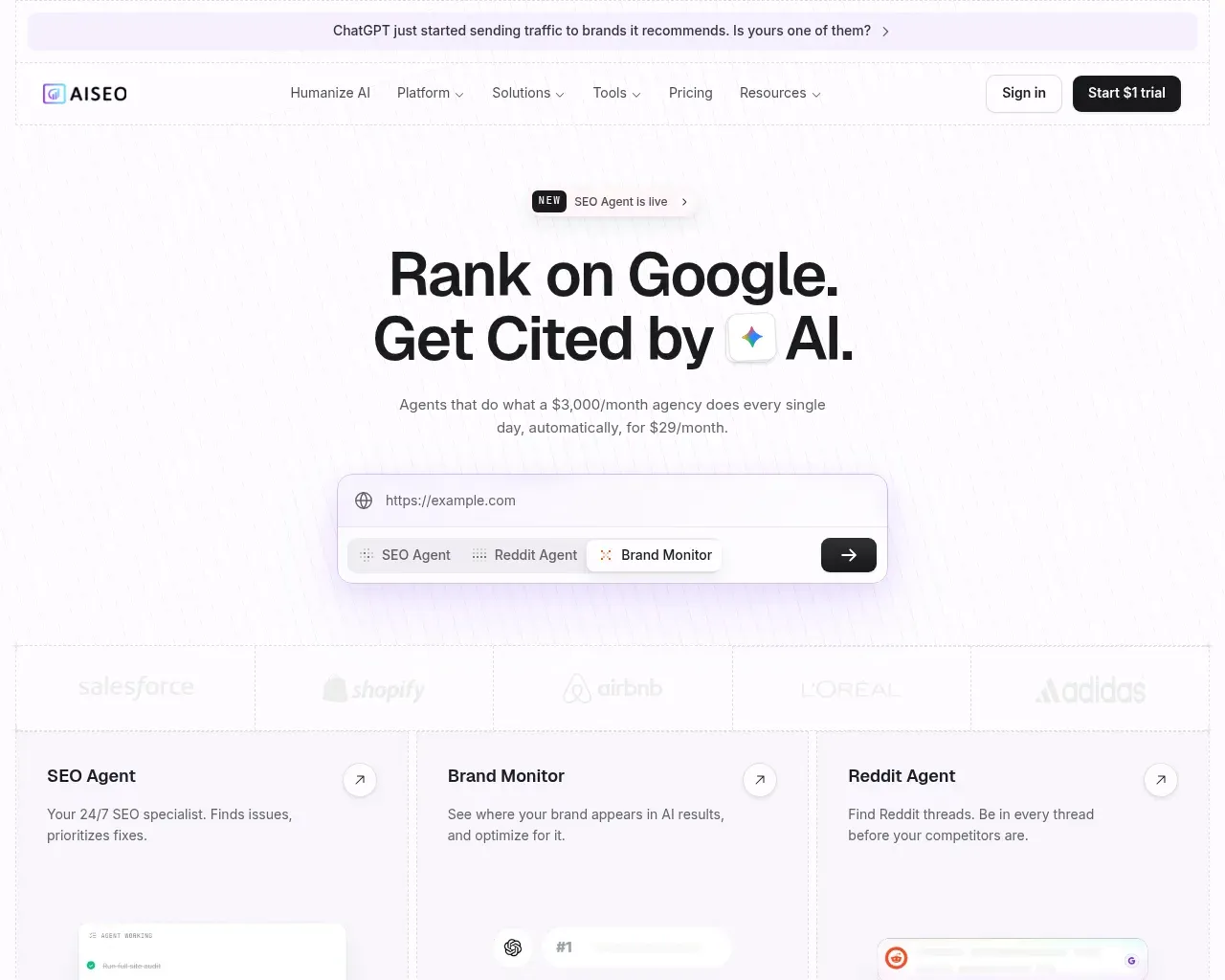
AISEO has grown into something different. It now runs as an AI SEO platform built around three agents. The SEO Agent crawls your whole site, scores every issue by how much it's hurting rankings, and hands back a priority-ordered fix list — Core Web Vitals, meta tags, broken links, schema, sitemaps, internal linking, roughly 50 checks on every crawl. The Brand Monitor aggregates where your brand shows up across ChatGPT, Gemini, Perplexity, Claude and Grok into a single visibility score, and tells you which prompts trigger a competitor's citation instead of yours. The Reddit Agent surfaces threads worth joining before rivals get there. Its framing is blunt: the work a $3,000-a-month agency does, run automatically.
Where they overlap, and where they split
Both tools lead with the 2026 version of SEO: it's no longer only about Google's ten blue links, it's about being the source an AI assistant quotes. Both say so on their homepages, and both treat AI-search visibility as a first-class goal rather than an afterthought.
The split is in the verb. Junia produces. Its answer to thin rankings is more optimized content, written and shipped for you. AISEO diagnoses and measures. Its answer is a prioritized list of what to fix on the pages you already have, plus a running score of how often AI models cite you. Junia doesn't audit your technical SEO or track your citation share across five AI engines. AISEO doesn't write and auto-publish a backlog of articles. They can even sit side by side — Junia filling the content pipeline, AISEO watching the results and flagging what to repair — but as a single purchase they solve different problems.
How pricing compares
Junia AI is the cheaper entry and the only one of the two with a standing free tier. Paid plans start around $17 to $22 a month (its Growth and Scale tiers land near $20 and $35 when billed yearly), and there's a done-for-you managed option that starts at roughly $2,000 a month for teams that want the output without touching the tool.
AISEO sits higher. Every plan opens with a one-day trial for $1, then the entry plan runs $39 a month and the Pro plan $119, with a larger high-credit tier above that and an enterprise option. The homepage dangles a "$29/month" headline, but the published plans start at $39 once the trial ends. You're paying for agentic auditing and multi-engine visibility tracking, not article volume, so the per-month number isn't really comparing like with like.
For the full attribute-by-attribute breakdown, see the AISEO vs Junia AI comparison table.
Which one fits you
Pick Junia AI if your bottleneck is production. You have a site, maybe a WordPress blog, and not enough hours to feed it. You want keyword research, drafting, internal linking and publishing to happen on a schedule, cheaply, with a free tier to test the quality before you commit. Affiliate marketers, solo founders and small content teams chasing steady output are the natural fit.
Pick AISEO if your bottleneck is knowing what to fix and whether AI search even sees you. You already publish content, or you have developers who can act on a fix list, and the open question is why pages aren't ranking and which competitor keeps getting cited in ChatGPT answers where you don't. The site audit, the same-day competitor tracking and the brand-visibility score are the reason to pay the higher price, and they're wasted if what you actually needed was more articles.
If you can't decide, the honest answer is that these aren't rivals so much as two halves of the same workflow: one writes, one watches. Thin content budget leans Junia. Thin visibility insight leans AISEO.
FAQ
Does Junia AI really publish on its own? Yes. Its autoblog writes full articles and pushes them to your connected site (WordPress is called out explicitly) on the cadence you set, without a manual step for each post.
Is AISEO a content writer too? It includes writing and a "Humanize AI" tool, but that's not the center of the product anymore. Its weight is on the SEO Agent's audits, the Brand Monitor's AI-citation tracking, and the Reddit Agent. It optimizes and measures rather than churning out a content backlog.
Which is cheaper to start? Junia AI, clearly. It has a free plan and paid tiers from the high-teens per month. AISEO starts with a $1 one-day trial, then $39 a month.
Can I use both? They don't conflict. A common setup would be Junia generating and publishing articles while AISEO audits the site and tracks whether those articles start earning citations across Google and the major AI assistants.
Published on: November 1, 2026