HumanizeAI vs WriteHuman: कौन सा AI टेक्स्ट ह्यूमनाइज़र आपके वर्कफ़्लो के लिए सही है?
By: AI Collection
At a glance


HumanizeAI और WriteHuman दोनों एक ही मूल काम करते हैं: ChatGPT, Claude या Gemini से लिखा टेक्स्ट पेस्ट करें और एक ऐसा वर्ज़न वापस पाएं जिसमें अधिक स्वाभाविक लय और शब्द-चुनाव हो। संक्षिप्त उत्तर यह है कि वे इस काम की कीमत एकदम विपरीत तरीकों से लगाते हैं, और यही अंतर आपके लिए निर्णायक होना चाहिए। HumanizeAI शब्दों का मासिक पूल बेचता है; WriteHuman प्रति-अनुरोध शब्द सीमा के साथ अनुरोधों की संख्या बेचता है। अगर आप महीने में कुछ लंबे दस्तावेज़ फिर से लिखते हैं बनाम कई छोटे, तो ये दोनों मॉडल आपको अलग-अलग टूल की ओर ले जाते हैं।
प्रत्येक टूल क्या है
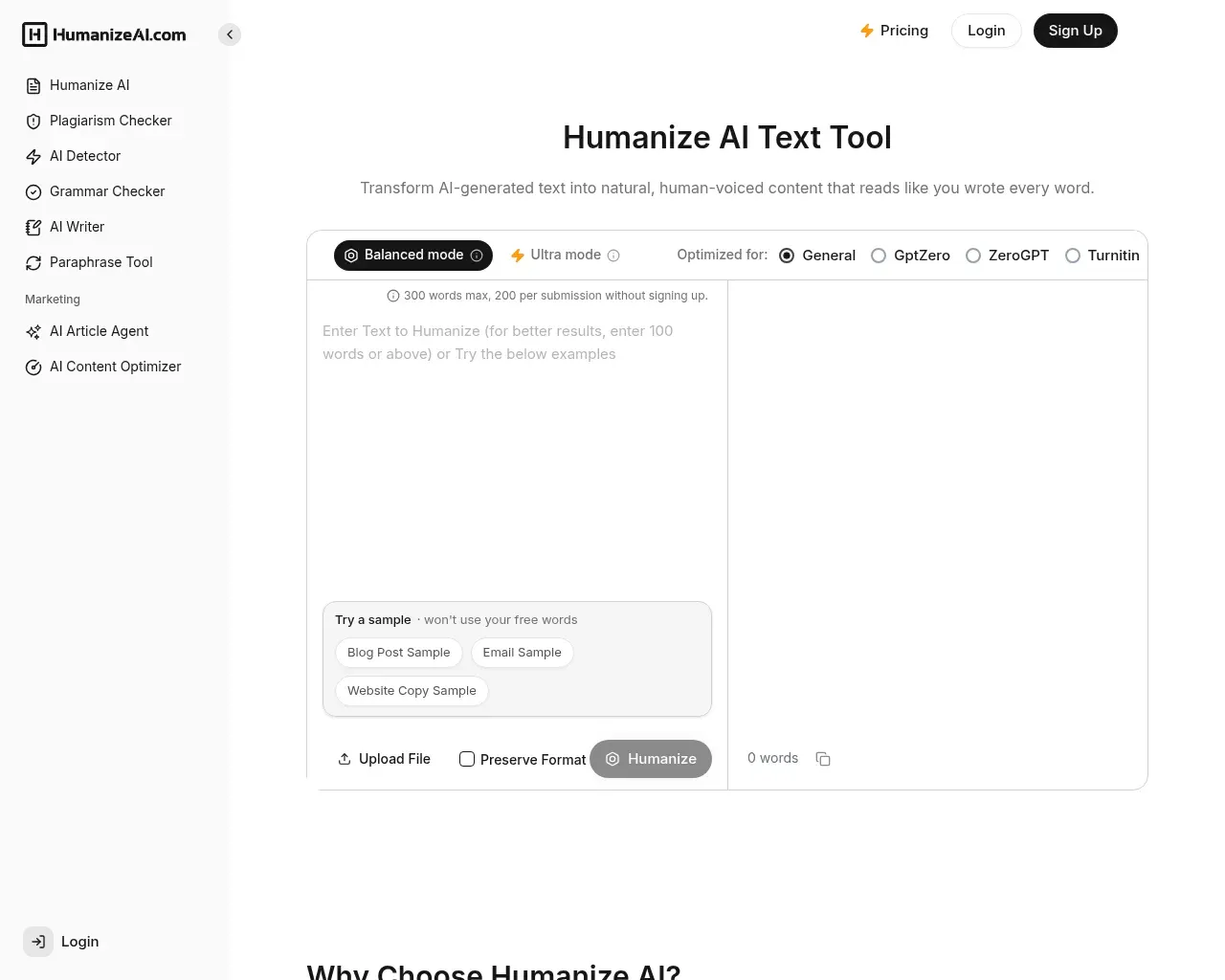
HumanizeAI.com अपने आप को एक व्यापक राइटिंग सूट में एक मुफ़्त ह्यूमनाइज़र के रूप में प्रस्तुत करता है। ह्यूमनाइज़र के साथ, इसके मेनू में एक प्लेजियरिज़्म चेकर, एक AI डिटेक्टर, एक ग्रामर चेकर, एक AI राइटर, एक पैराफ़्रेज़ टूल और एक आर्टिकल एजेंट शामिल हैं। मार्केटिंग गैर-देशी अंग्रेज़ी बोलने वालों, शोधकर्ताओं, मार्केटर्स और SEO लेखकों के लिए है जो ऐसी कॉपी चाहते हैं जो स्वाभाविक रूप से पढ़ी जाए।
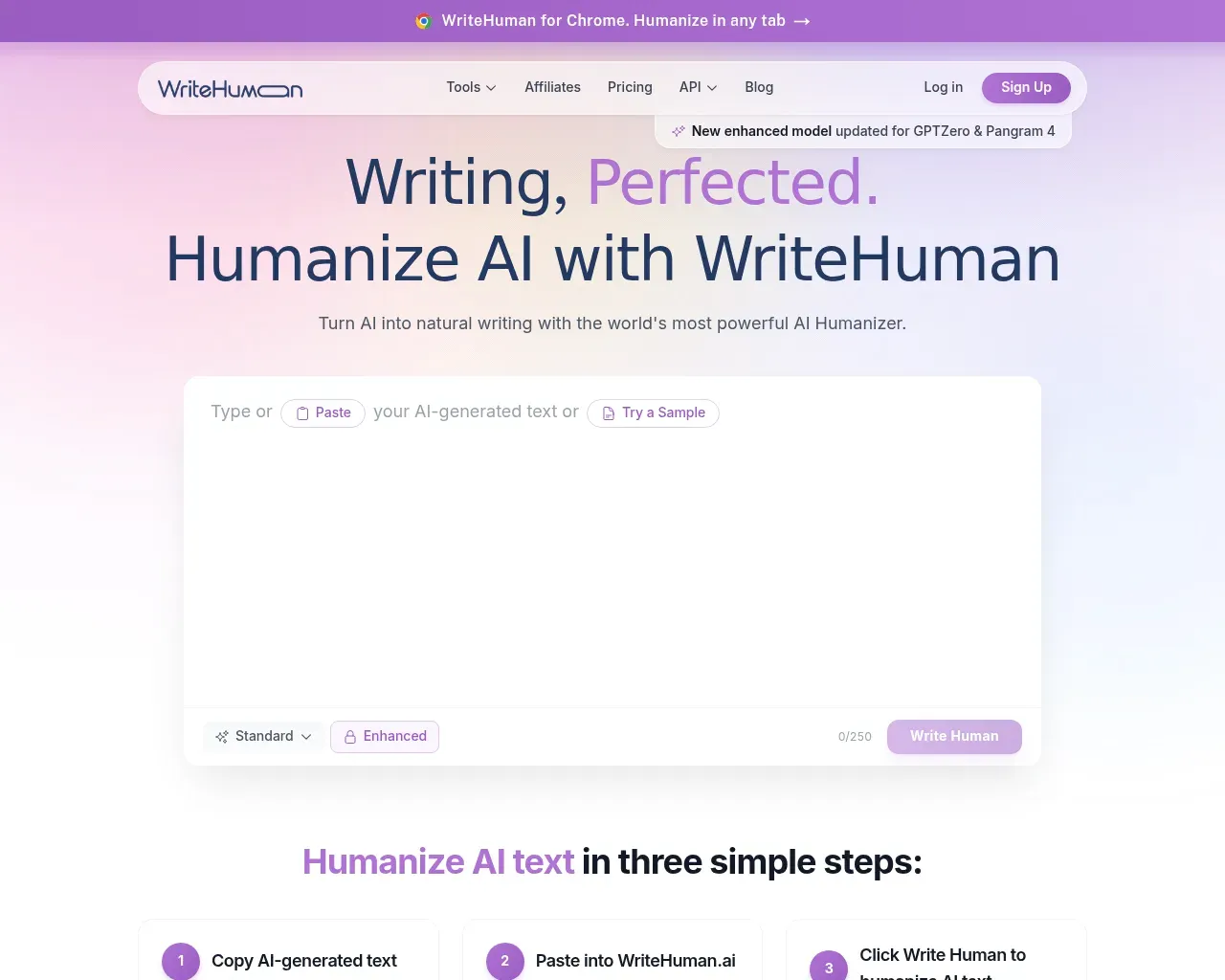
WriteHuman अधिक केंद्रित और स्पष्ट राय वाला है। यह खुद को एक AI ह्यूमनाइज़र के रूप में प्रस्तुत करता है जो डिटेक्टर पास करने के लिए बनाया गया है, और यह उन्हें सीधे नाम देता है: होमपेज GPTZero और Pangram के लिए ट्यून किए गए एक उन्नत मॉडल का विज्ञापन करता है, और टूल Copyleaks और ZeroGPT का भी संदर्भ देता है। इसमें एक बिल्ट-इन AI डिटेक्टर है जो प्रत्येक वाक्य को AI संभावना स्कोर देता है, साथ ही एक Chrome एक्सटेंशन, एक REST API और एक MCP कनेक्टर भी है जो ह्यूमनाइज़र को AI एजेंट में जोड़ता है।
प्रत्येक टूल आपको कैसे बिल करता है
यही वास्तविक चुनाव बिंदु है, इसलिए यहाँ प्रकाशित योजनाएं हैं।
WriteHuman प्रति-अनुरोध शुल्क लेता है, प्रत्येक अनुरोध पर शब्द सीमा के साथ:
- Basic, $8/month: प्रति अनुरोध 600 शब्द तक, महीने में 60 अनुरोध
- Pro, $14/month: प्रति अनुरोध 1,200 शब्द तक, महीने में 150 अनुरोध
- Ultra, $32/month: प्रति अनुरोध 1,200 शब्द तक, असीमित अनुरोध
HumanizeAI मासिक शब्द मात्रा के हिसाब से शुल्क लेता है, बिना किसी प्रति-अनुरोध सीमा के:
- Essential, $14/month: महीने में 20,000 शब्द
- Standard, $29/month: महीने में 50,000 शब्द
- Pro, $59/month: महीने में 150,000 शब्द
दोनों $14 पर अपनी पेड टियर शुरू करते हैं और दोनों ह्यूमनाइज़र आज़माने का एक मुफ़्त तरीका प्रदान करते हैं। लेकिन इकाइयाँ अलग हैं। WriteHuman Pro पर आपको महीने में 150 रीराइट मिलती हैं, प्रत्येक 1,200 शब्दों तक, इसलिए आपकी सीमा यह है कि आप बटन कितनी बार दबाते हैं न कि कुल शब्द संख्या। HumanizeAI Essential पर आपके पास 20,000 शब्द हैं जिन्हें आप जैसे चाहें खर्च कर सकते हैं, चाहे वह एक लंबी रिपोर्ट हो या चालीस छोटे पैराग्राफ।
एक व्यावहारिक उदाहरण अंतर को स्पष्ट करता है। मान लीजिए आप महीने में दस 1,500-शब्द के लेख ह्यूमनाइज़ करते हैं। WriteHuman पर, प्रत्येक लेख 1,200-शब्द अनुरोध सीमा से अधिक है, इसलिए आप प्रत्येक को दो अनुरोधों में विभाजित करते हैं: कुल बीस अनुरोध, Pro की 150 में बहुत ठीक। HumanizeAI पर, दस लेख 15,000 शब्द हैं, 20,000 Essential पूल के भीतर। दोनों की कीमत $14 है। अब महीने में पचास लंबे लेखों तक बढ़ाएं और तस्वीर बदल जाती है: यह लगभग 75,000 शब्द है, जिसके लिए HumanizeAI के $59 Pro प्लान की ज़रूरत है, जबकि WriteHuman के 100 अनुरोध अभी भी $14 में Pro की 150 में फ़िट हो जाते हैं। उच्च-मात्रा लंबे-फ़ॉर्म काम वह जगह है जहाँ WriteHuman का अनुरोध मॉडल सस्ता हो जाता है; हल्के या अनियमित उपयोग में अंतर लगभग बराबर है।
डिटेक्शन, और ईमानदारी से चेतावनी
WriteHuman डिटेक्टर के पहलू पर अधिक ज़ोर देता है। इसका बिल्ट-इन चेकर प्रत्येक वाक्य को एक AI संभावना देता है और परिणाम को वर्गीकृत करता है: 40 प्रतिशत से कम मानव पढ़ा जाता है, 40 से 60 प्रतिशत एक मिश्रित संकेत है, और 60 प्रतिशत से अधिक को फ़्लैग किया जाता है। यह देखना कि प्रकाशन से पहले कौन सी विशिष्ट पंक्तियाँ अभी भी मशीन-लिखी लगती हैं, उस टूल की तुलना में एक वास्तविक वर्कफ़्लो लाभ है जो केवल फिर से लिखता है।
फिर भी, इस श्रेणी के बारे में स्पष्ट रहना ज़रूरी है कि यह क्या वादा कर सकती है और क्या नहीं। डिटेक्शन एक बदलता हुआ लक्ष्य है। WriteHuman खुले तौर पर कहता है कि इसके मॉडल को GPTZero और Pangram के लिए अपडेट किया गया था, जो बताता है कि डिटेक्टर बदलते रहते हैं और ह्यूमनाइज़र उनका पीछा करते रहते हैं। कोई भी टूल यह गारंटी नहीं दे सकता कि आज का आउटपुट अगले महीने अनडिटेक्टेड रहेगा, और किसी भी वेंडर का अपना डिटेक्टर वह नहीं है जो आपका स्कूल या प्रकाशक उपयोग करेगा।
एक नीति संबंधी प्रश्न भी है जिसे स्पष्ट रूप से कहना उचित है। पठनीयता में सुधार के लिए, गैर-देशी भाषी मसौदे को ठीक करने के लिए, या रोबोटिक लय को विविध बनाने के लिए ह्यूमनाइज़र का उपयोग करना एक उपयोग है। जहाँ नियमों का उल्लंघन हो वहाँ AI लेखकत्व छुपाने के लिए इसका उपयोग करना — एक ग्रेडेड असाइनमेंट या प्रकटीकरण नीति वाली पत्रिका — एक अलग उपयोग है, और इसके वास्तविक परिणाम हो सकते हैं चाहे कोई भी डिटेक्टर कुछ भी रिपोर्ट करे।
आप प्रत्येक पक्ष में क्या छोड़ते हैं
कोई भी टूल ओपन सोर्स नहीं है और दोनों भुगतान से पहले एक खाते की माँग करते हैं। HumanizeAI की व्यापकता दोनों तरफ से काम करती है: ग्रामर, प्लेजियरिज़्म और पैराफ़्रेज़िंग के अतिरिक्त टूल उपयोगी हैं यदि आप एक टैब में सब कुछ चाहते हैं, लेकिन इतनी व्यापक सूट का मतलब हो सकता है कि प्रत्येक टुकड़ा एक समर्पित ऐप की तुलना में उथला हो। WriteHuman इसके विपरीत है। यह एक काम करता है और इसके आसपास डेवलपर प्लंबिंग जोड़ता है — API, MCP और ब्राउज़र एक्सटेंशन — जो तब मदद करता है जब आप अपनी पाइपलाइन में ह्यूमनाइज़ेशन जोड़ना चाहते हैं और तब अप्रासंगिक है जब आप बस एक टेक्स्ट बॉक्स चाहते हैं।
प्रति-अनुरोध शब्द सीमा लंबे-फ़ॉर्म लेखकों के लिए WriteHuman की सबसे तीखी सीमा है: 3,000-शब्द का टुकड़ा हमेशा कम से कम तीन अनुरोध होता है, और रीराइट पूरे दस्तावेज़ में एक साथ नहीं बल्कि टुकड़ों में होती है। HumanizeAI का शब्द-पूल मॉडल उस समस्या को हल करता है, लेकिन जब आपकी मासिक मात्रा बढ़ती है तो अधिक कीमत पर।
आपको कौन सा चुनना चाहिए
- HumanizeAI चुनें यदि आप ह्यूमनाइज़िंग के साथ ग्रामर, प्लेजियरिज़्म और पैराफ़्रेज़िंग के लिए एक ही डैशबोर्ड चाहते हैं; यदि आपका काम लंबे-फ़ॉर्म है और आप अनुरोध गिनती के बजाय मासिक शब्द बजट में सोचना पसंद करते हैं; या यदि आप एक गैर-देशी लेखक हैं जो पूर्ण दस्तावेज़ों को परिष्कृत करते हैं।
- WriteHuman चुनें यदि किसी नामित डिटेक्टर को हराना वास्तविक लक्ष्य है; यदि आप प्रकाशन से पहले प्रति-वाक्य AI स्कोर चाहते हैं; यदि आप कई छोटे-से-मध्यम टुकड़े ह्यूमनाइज़ करते हैं और 1,200-शब्द अनुरोध सीमा के साथ रह सकते हैं; या यदि आपको किसी मौजूदा वर्कफ़्लो में ह्यूमनाइज़िंग जोड़ने के लिए API या Chrome एक्सटेंशन की ज़रूरत है।
मूल्य निर्धारण मॉडल और शुरुआती कीमत की पूरी तुलना के लिए, HumanizeAI vs WriteHuman तुलना पेज देखें।
अक्सर पूछे जाने वाले सवाल
क्या इनमें से किसी का मुफ़्त संस्करण है? हाँ। HumanizeAI एक मुफ़्त ह्यूमनाइज़ टूल प्रदान करता है, और WriteHuman सब्सक्राइब करने से पहले आज़माने के लिए एक मुफ़्त टियर प्रदान करता है। दोनों में मुफ़्त उपयोग सीमित है, इसलिए भारी उपयोगकर्ता जल्दी से एक पेड प्लान तक पहुँच जाएंगे।
क्या ह्यूमनाइज़ किया गया टेक्स्ट AI डिटेक्टरों को विश्वसनीय रूप से पास करेगा? कोई भी टूल यह वादा नहीं कर सकता। दोनों वेंडर अपने मॉडल अपडेट करते हैं जैसे डिटेक्टर बदलते हैं, और जो डिटेक्टर आपका पाठक उपयोग करेगा वह उस डिटेक्टर से अलग हो सकता है जो प्रत्येक टूल आंतरिक रूप से उपयोग करता है। किसी भी "अनडिटेक्टेबल" दावे को एक बदलते लक्ष्य के रूप में मानें, गारंटी के रूप में नहीं।
कौन सा सस्ता है? यह मात्रा पर निर्भर करता है। दोनों एंट्री टियर $14 प्रति माह हैं। कई अनुरोधों में फैले उच्च मासिक शब्द गणना के लिए, WriteHuman की अनुरोध-आधारित मूल्य निर्धारण सस्ती रहती है; बहुत कम बहुत लंबे दस्तावेज़ों के लिए, HumanizeAI का शब्द पूल समझना आसान हो सकता है।
परामर्श किए गए स्रोत
- WriteHuman होमपेज — फ़ीचर, डिटेक्टर बकेट, GPTZero/Pangram मॉडल नोट, API/MCP/एक्सटेंशन, और मूल्य निर्धारण टियर
- HumanizeAI.com होमपेज — उत्पाद सूट, लक्ष्य दर्शक, और मुफ़्त-टूल स्थिति
- दोनों टूल के लिए AI Collection कैटलॉग मूल्य निर्धारण डेटा — प्रकाशित योजना के नाम, कीमतें, और शब्द/अनुरोध सीमाएं
Published on: September 4, 2026