TheFluxTrain: एक प्रशिक्षित मॉडल, अनंत दृश्य
By: AI Collection
At a glance
TheFluxTrain
Paid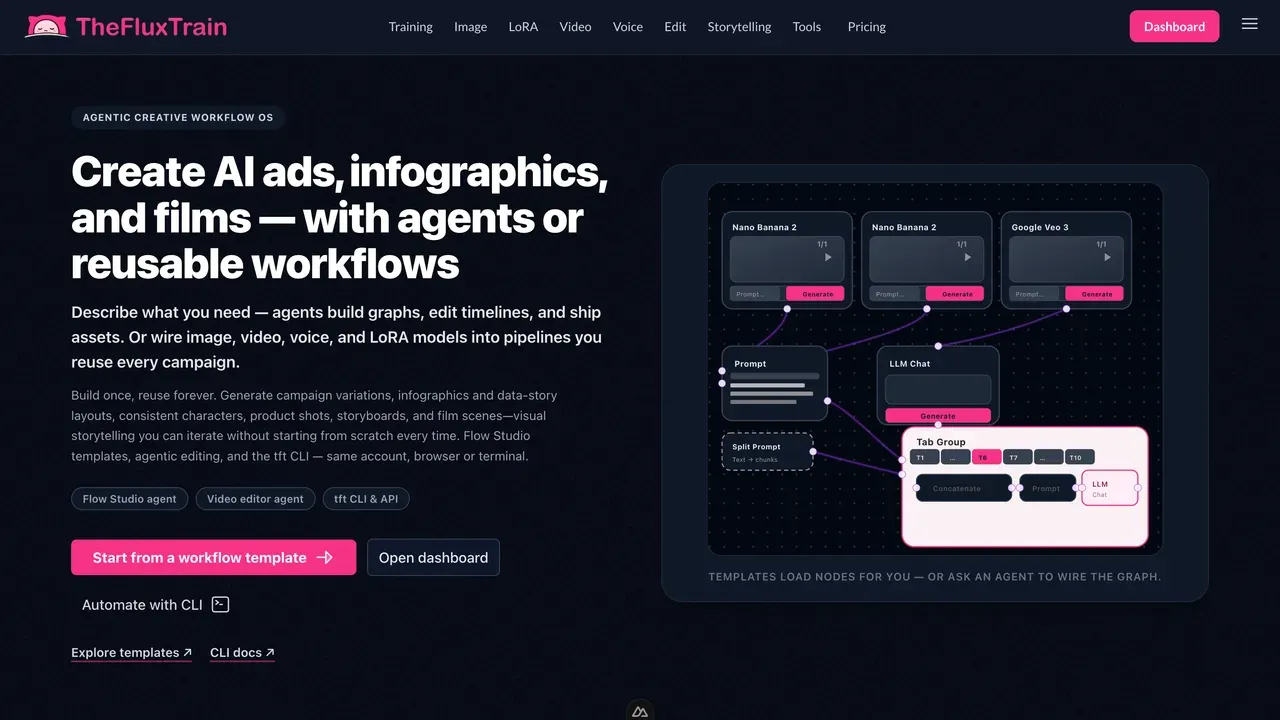
AI-जनित छवियों में संगति की समस्या होती है। आप एक खूबसूरत हेडशॉट या प्रोडक्ट फोटो बना सकते हैं, लेकिन उसी चरित्र या ब्रांड विज़ुअल को 20 कैंपेन फ्रेम में बिना उसके धीरे-धीरे बदले बनाने के लिए या तो बहुत भाग्य चाहिए या कुछ गहरा — एक प्रशिक्षित मॉडल जो वास्तव में विषय को "जानता" हो।
TheFluxTrain उसी समस्या के इर्द-गिर्द बनाया गया था। यह Flux आर्किटेक्चर पर कस्टम LoRA मॉडल प्रशिक्षित करने और फिर उन मॉडलों को दोहराने योग्य विज़ुअल पाइपलाइन में जोड़ने के लिए एक ब्राउज़र-आधारित प्रोडक्शन स्टूडियो है। किसी व्यक्ति, चरित्र या उत्पाद की 3–12 छवियाँ अपलोड करें; कुछ मिनटों में एक मॉडल प्रशिक्षित करें; फिर हर बार शुरू से शुरू किए बिना इसे अपनी बाद की हर जनरेशन में उपयोग करें।
स्थानीय GPU सेटअप के बिना LoRA प्रशिक्षित करना
Flux मॉडल को फाइन-ट्यून करने के लिए ऐतिहासिक रूप से स्थानीय GPU समय, कमांड-लाइन टूल्स की जानकारी और उन सेटिंग्स पर पुनरावृत्ति करने के लिए पर्याप्त धैर्य की आवश्यकता होती है जो गैर-ML चिकित्सकों के लिए स्पष्ट नहीं हैं। TheFluxTrain पूरी प्रक्रिया को एक ब्राउज़र फॉर्म तक सीमित कर देता है।
आप अपनी प्रशिक्षण छवियाँ अपलोड करते हैं, और प्लेटफ़ॉर्म AI का उपयोग करके उन्हें स्वतः-कैप्शन करता है। टीम का अपना दस्तावेज़ीकरण नोट करता है कि अपने स्वयं के कैप्शन जोड़ने से केवल ऑटो-कैप्शन पर निर्भर रहने की तुलना में काफी बेहतर परिणाम मिलते हैं — इसलिए यहाँ कुछ अतिरिक्त मिनट लगाना सार्थक है। प्रशिक्षण फिर क्लाउड में चलता है।
Product Hunt पर स्वतंत्र समीक्षकों ने चरित्र आउटपुट को "बहुत यथार्थवादी" बताया — इतना विश्वसनीय कि लोगों ने मान लिया कि छवियाँ तस्वीरें थीं। एक परीक्षक जिसने कई प्रतिस्पर्धी टूल्स के साथ काम किया था, ने TheFluxTrain के परिणामों को समूह में सर्वश्रेष्ठ कहा।
प्रशिक्षण की लागत प्रति रन लगभग 2,000+ क्रेडिट है। एंट्री Starter प्लान ($11/माह में 5,000 क्रेडिट) पर, यह प्रति मासिक चक्र में लगभग दो प्रशिक्षण कार्यों के बराबर है — इसलिए जो उपयोगकर्ता अक्सर प्रशिक्षण देना चाहते हैं वे जल्दी ही अपना आवंटन समाप्त कर लेंगे और उन्हें तदनुसार योजना बनानी चाहिए।
Flow Studio: एकबारगी जनरेशन के बजाय पाइपलाइन
TheFluxTrain को सादे LoRA ट्रेनर्स से अलग करने वाली बात है Flow Studio, एक नोड-आधारित वर्कफ़्लो एडिटर जो मॉडल कॉल को एक साथ जोड़ने के लिए है। आप छवि जनरेशन, इनपेंटिंग, इमेज-टू-इमेज ट्रांसफॉर्मेशन, वॉइस और वीडियो नोड्स को एक ग्राफ में जोड़ते हैं, और एक बार सही ढंग से चलने के बाद, प्रत्येक बाद का निष्पादन उसी तर्क का पालन करता है।
व्यवहार में इसका मतलब है कि एक सोशल मीडिया टीम एक ऐसी पाइपलाइन बना सकती है जो एक प्रोडक्ट इमेज लेती है, उसे एक प्रशिक्षित ब्रांड कैरेक्टर LoRA के माध्यम से चलाती है, फॉर्मेट वेरिएशन का एक सेट जनरेट करती है, और वीडियो के लिए क्रेडिट लगाने से पहले आउटपुट को समीक्षा "सिंक" के माध्यम से रूट करती है — फिर कुछ भी पुनर्निर्माण किए बिना अगले कैंपेन के लिए उस पाइपलाइन का पुन: उपयोग करती है। वर्कफ़्लो JSON के रूप में एक्सपोर्ट होते हैं, इसलिए किसी क्लाइंट या सहयोगी के साथ सेटअप साझा करना कॉपी-पेस्ट से हो जाता है।
Flow Studio एक वर्कफ़्लो के अंदर समानांतर दृश्य शाखाओं को संभालने के लिए टैब ग्रुप का उपयोग करता है। आप उन "हीरो" नोड्स को लॉक कर सकते हैं जो सही ढंग से काम कर रहे हैं और केवल उन हिस्सों के साथ प्रयोग करते हैं जिन पर आप अभी भी पुनरावृत्ति कर रहे हैं। ग्राफ-आधारित दृष्टिकोण में अधिकांश AI इमेज टूल्स के प्रॉम्प्ट-एंड-होप लूप की तुलना में n8n या Flowise के साथ अधिक समानता है।
वीडियो, मल्टी-कैरेक्टर दृश्य और CLI
प्लेटफ़ॉर्म में AI-जनित फ्रेम से छोटे क्लिप असेंबल करने के लिए एक टाइमलाइन वीडियो एडिटर शामिल है, साथ ही एक इमेज-टू-वीडियो नोड है जो एक स्थिर छवि को गति में बदलता है। वीडियो जनरेशन आउटपुट के प्रत्येक पाँच सेकंड के लिए लगभग 100 क्रेडिट चलाता है — अपेक्षाकृत मामूली, हालांकि लंबे प्रोजेक्ट में यह जुड़ जाता है।
मल्टी-कैरेक्टर एडिटर एक बार में एक से अधिक प्रशिक्षित मॉडल वाले दृश्यों को संभालता है, जिसके लिए आमतौर पर कहीं और सावधानीपूर्वक प्रॉम्प्ट इंजीनियरिंग या मैन्युअल कंपोज़िटिंग की आवश्यकता होती है। ऐसे कैंपेन बनाना जहाँ दो प्रशिक्षित चरित्र इंटरैक्ट करते हैं, एक घोषित उपयोग मामला है, न कि बाद की सोच।
बड़ी स्वचालित पाइपलाइन बनाने वाली टीमों के लिए, एक tft CLI है जो विशेष रूप से AI असिस्टेंट और एजेंट वर्कफ़्लो के लिए डिज़ाइन किया गया है। यह TheFluxTrain के जनरेशन स्टैक में एक प्रोग्रामेटिक पथ खोलता है — किसी स्क्रिप्ट से कंटेंट प्रोडक्शन शेड्यूल करने या इसे एक व्यापक एजेंटिक सिस्टम में जोड़ने के लिए उपयोगी।
मूल्य निर्धारण
चार मासिक योजनाएँ अधिकांश उपयोग स्तरों को कवर करती हैं:
| योजना | मासिक | क्रेडिट |
|---|---|---|
| Starter | $11 | 5,000 |
| Pro | $19 | 10,000 |
| Advance | $39 | 25,000 |
| Cosmo | $189 | 125,000 |
प्रति छवि 25 क्रेडिट और प्रति प्रशिक्षण रन 2,000+ पर, सब्सक्राइब करने से पहले गणित पर विचार करना उचित है। Pro प्लान ($19/माह) आपको लगभग 400 छवियाँ या पाँच प्रशिक्षण कार्य देता है — शायद एक ही महीने में दोनों का बड़ा मात्रा में नहीं। उच्च-आवृत्ति निर्माता संभवतः Advance या उससे ऊपर पर पहुँचेंगे।
यह किसके लिए उपयुक्त है
TheFluxTrain सबसे अच्छा तब काम करता है जब किसी कार्य के दौरान दृश्य संगति वास्तव में मायने रखती है। व्यावहारिक उपयोग:
- AI इन्फ्लुएंसर क्रिएटर्स जो पोस्ट के पार एक सुसंगत वर्चुअल व्यक्तित्व बनाए रखते हैं
- मार्केटिंग टीम जिन्हें प्रशिक्षित चरित्र या उत्पाद पर निर्मित कैंपेन वेरिएशन की आवश्यकता है
- फ़िल्म निर्माता AI-जनित फ्रेम के साथ स्टोरीबोर्ड और शॉर्ट-फॉर्म नैरेटिव का प्रोटोटाइप बनाते हैं
- फैशन और प्रोडक्ट फोटोग्राफर बिना शूट पुनर्निर्धारित किए आउटफिट या सेटिंग पर पुनरावृत्ति करते हैं
- तकनीकी निर्माता जो CLI के माध्यम से किसी एजेंट या शेड्यूलिंग स्क्रिप्ट से कंटेंट जनरेशन चलाना चाहते हैं
यह उस व्यक्ति के लिए सही उपकरण नहीं है जो कुछ छवियाँ जनरेट करना चाहता है और आगे बढ़ना चाहता है। मूल्य तब बढ़ता है जब आप कुछ ऐसा बना रहे हों जिसे आप फिर से उपयोग करेंगे — एक प्रशिक्षित चरित्र, एक दोहराने योग्य वर्कफ़्लो, एक पाइपलाइन जो पूरे कैंपेन में चलती है।
प्रतिबद्ध होने से पहले विचार करने योग्य बातें
कोई मुफ़्त प्लान नहीं है। आप यह सत्यापित करने से पहले ही निवेश कर रहे हैं कि आपकी विशिष्ट प्रशिक्षण छवियाँ आपकी ज़रूरत की गुणवत्ता उत्पन्न करती हैं, जिसका मतलब है कि पहला प्रशिक्षण रन आंशिक रूप से एक परीक्षण है। एक प्रशिक्षित मॉडल से कुछ त्वरित जनरेशन चलाने से आपको जल्दी पता चल जाएगा कि डेटासेट पर्याप्त था या नहीं, लेकिन इससे क्रेडिट की खपत होती है।
क्रेडिट-आधारित प्रणाली कुछ ट्रैकिंग ओवरहेड पेश करती है। यह जानना कि कोई विशेष वर्कफ़्लो विचार चलाने लायक है या नहीं, प्रति-चरण लागत को समझने की आवश्यकता है, और Flow Studio का नोड-आधारित एडिटर विज़ुअल प्रोग्रामिंग या AI पाइपलाइन में नए किसी के लिए एक वास्तविक सीखने की अवस्था है। TheFluxTrain का अपना ब्लॉग मूल बातें समझाने का अच्छा काम करता है, लेकिन अपेक्षा करें कि वर्कफ़्लो मॉडल समझ में आने से पहले कुछ घंटे निवेश करने होंगे।
स्वतंत्र दीर्घकालिक समीक्षाएँ अभी भी विरल हैं — प्लेटफ़ॉर्म अपेक्षाकृत युवा है — इसलिए प्रोडक्शन-क्रिटिकल उपयोग मामलों के लिए, पहले किसी गैर-आवश्यक प्रोजेक्ट पर परीक्षण करना समझदारी है।
परामर्श किए गए स्रोत
- TheFluxTrain होमपेज — फीचर विवरण, पोजिशनिंग
- TheFluxTrain ब्लॉग: Flux Kontext LoRA प्रशिक्षण के लिए नौसिखिए की गाइड — प्रशिक्षण वर्कफ़्लो, कैप्शनिंग मार्गदर्शन
- TheFluxTrain ब्लॉग: 3 आसान चरणों में एक AI इन्फ्लुएंसर बनाएँ — उपयोग मामले की वॉकथ्रू
- TheFluxTrain समीक्षा — automateed.com — फीचर वॉकथ्रू, सीमाएँ
- TheFluxTrain के लिए Product Hunt समीक्षाएँ — स्वतंत्र उपयोगकर्ता गुणवत्ता संकेत
- Trustpilot पर TheFluxTrain — उपयोगकर्ता समीक्षा कॉर्पस
- TheFluxTrain फीचर्स और मूल्य निर्धारण — aitools.inc — क्रेडिट संरचना, मूल्य विवरण
Published on: July 1, 2026
TheFluxTrain के विकल्प खोज रहे हैं? सभी TheFluxTrain विकल्प देखें →
Have an AI tool of your own? Submit it below and get a free, in-depth product review article — just like this one.
कुछ ही सेकंड में अपना AI टूल जोड़ें
अपना URL पेस्ट करें और हम ड्राफ्ट तैयार कर देंगे। सबमिट करने से पहले आप हर फ़ील्ड की समीक्षा और संपादन कर सकते हैं।